
Technical SEO optimization has become one of the most important foundations of digital growth in 2026. Even the best website content may struggle to rank if search engines cannot properly crawl, index, understand, and load your website efficiently.
Today, search engines prioritize websites that are fast, secure, mobile-friendly, structured correctly, and technically optimized for users as well as AI-powered search systems. Whether you manage a business website, personal blog, eCommerce store, or startup platform, technical SEO optimization helps improve visibility, rankings, user experience, and organic traffic.
Many website owners focus only on writing content while ignoring technical SEO for websites. However, search engines analyze multiple technical signals before deciding where your pages should rank. A technically optimized website improves website performance, helps search engine bots crawl pages correctly, and creates a better experience for visitors.
In this complete guide, you will learn the best technical SEO optimization techniques for websites and blogs in 2026.
What Is Technical SEO Optimization?
Technical SEO optimization refers to improving the backend structure and technical elements of a website so search engines can crawl, index, and rank pages more effectively.
Unlike on-page SEO, which focuses on content and keywords, technical SEO optimization focuses on:
- website speed
- mobile responsiveness
- indexing
- crawling
- XML sitemaps
- structured data
- security
- Core Web Vitals
- URL structure
- internal linking
- canonical tags
- website architecture
A strong technical SEO foundation supports both content marketing and user experience.
Why Technical SEO Optimization Matters in 2026
Search engine algorithms are becoming more intelligent every year. AI-powered search systems now evaluate how efficiently websites perform across devices and browsers.
Technical SEO optimization matters because it:
- improves search engine crawling
- helps faster indexing
- boosts website speed
- improves user experience
- reduces bounce rates
- increases mobile usability
- supports AI visibility
- strengthens website authority
- improves search rankings
Without proper technical SEO for websites, even valuable content may remain invisible in search results.
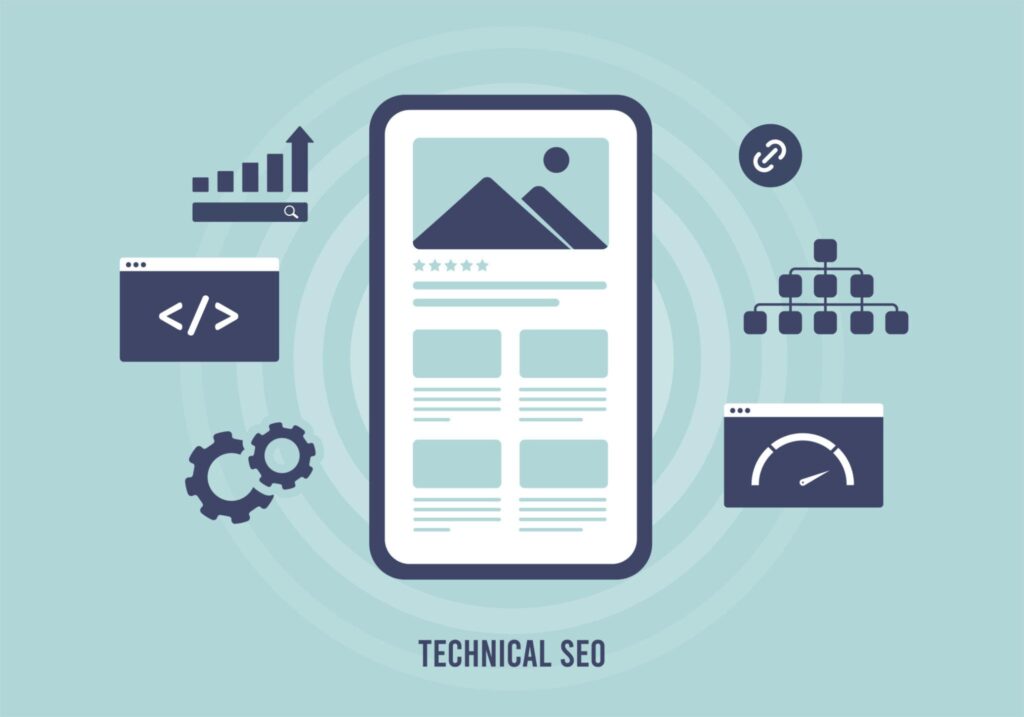
1. Improve Website Crawling and Indexing
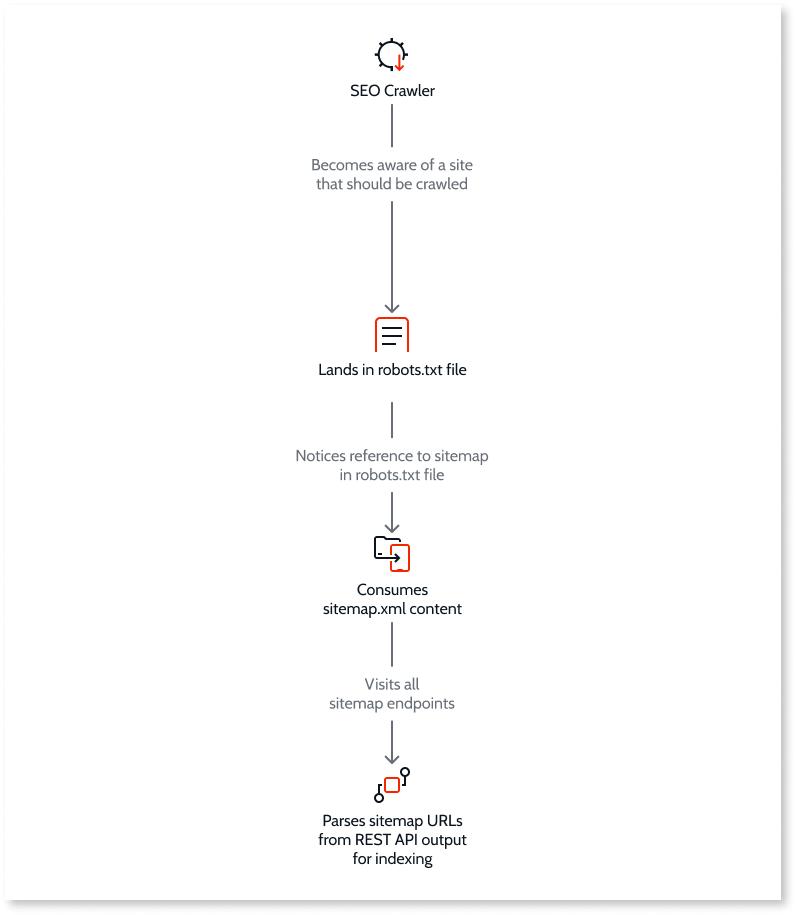
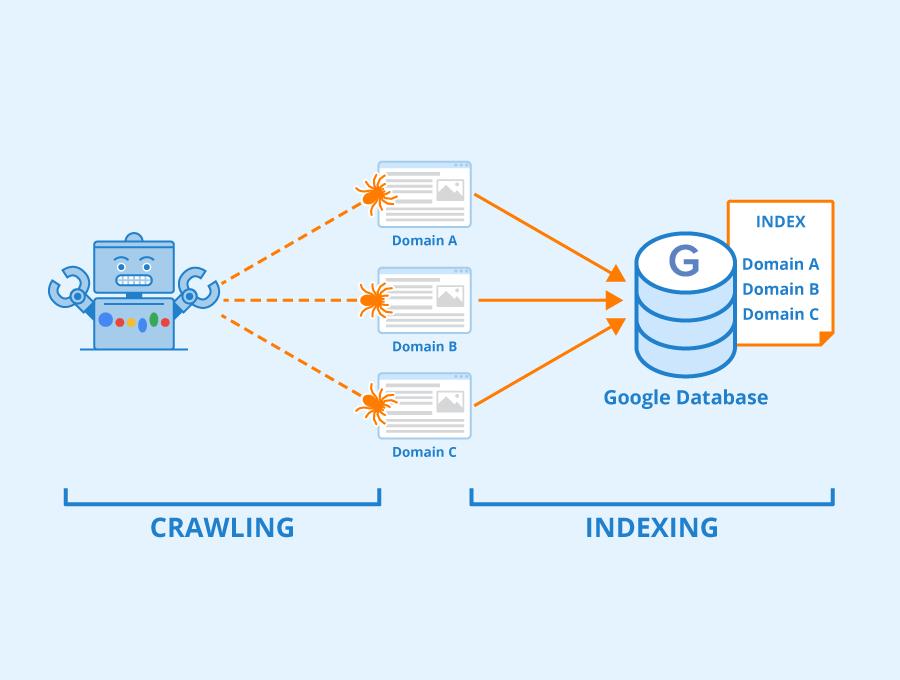
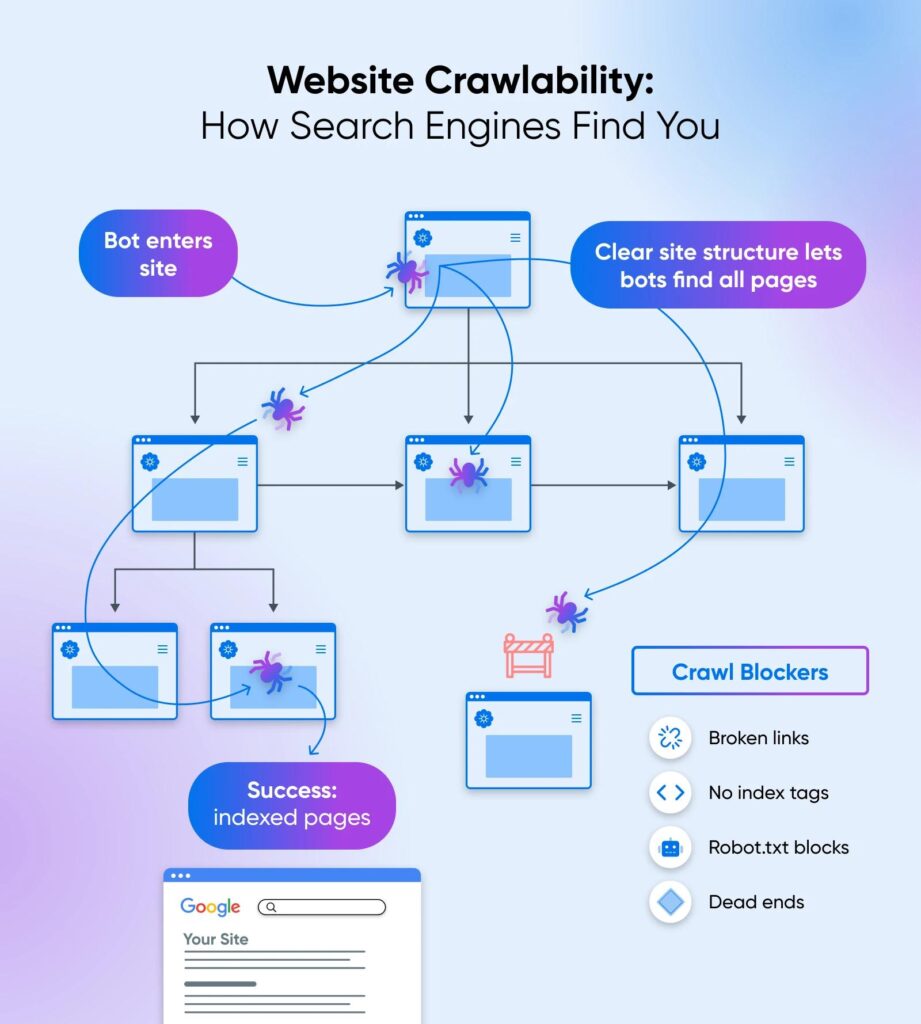
Search engines use bots to crawl websites and discover pages. If search engines cannot crawl your pages correctly, your content may never appear in search results.
Best Practices
- create an XML sitemap
- submit sitemap to Google Search Console
- avoid broken links
- fix crawl errors
- use proper robots.txt configuration
- avoid orphan pages
A well-optimized website structure makes technical SEO optimization stronger and improves visibility.
2. Optimize Website Speed
Website speed directly affects rankings and user experience. Slow websites increase bounce rates and reduce conversions.
Website speed is one of the most critical SEO optimization techniques today.
How to Improve Speed
- compress images
- enable browser caching
- use lightweight themes
- minimize CSS and JavaScript
- use CDN services
- optimize hosting quality
- lazy load images
Fast-loading pages help technical SEO for websites and improve engagement.
3.Focus on Mobile SEO Optimization
Most users browse websites through mobile devices. Google uses mobile-first indexing, meaning mobile performance heavily impacts rankings.
Mobile SEO Tips
- use responsive design
- optimize mobile navigation
- avoid intrusive popups
- improve touch usability
- optimize mobile page speed
- maintain readable font sizes
Technical SEO optimization without mobile optimization is incomplete.

4. Secure Your Website with HTTPS
Website security is essential for both search engines and visitors.
HTTPS encryption protects user data and builds trust.
Benefits of HTTPS
- secure browsing
- better user confidence
- improved SEO signals
- safer transactions
- protection against data theft
Search engines often prioritize secure websites over non-secure websites.
5. Optimize Core Web Vitals
Core Web Vitals measure user experience and website performance.
Google evaluates:
- loading performance
- visual stability
- interaction speed
Important Core Web Vitals
Largest Contently Paint (LCP)
Measures loading speed.
Interaction to Next Paint (INP)
Measures responsiveness.
Cumulative Layout Shift (CLS)
Measures visual stability.
Improving Core Web Vitals is an important part of technical SEO optimization
6. Create SEO-Friendly URL Structures
Clean URLs help search engines and users understand page topics.
Good URL Example
https://example.com/technical-seo-optimization
Poor URL Example
https://example.com/page?id=12345
Best Practices
- keep URLs short
- include keywords naturally
- avoid unnecessary numbers
- use hyphens instead of underscores
- maintain logical structure
SEO-friendly URLs improve website technical SEO audit scores.
7. Use Structured Data and Schema Markup
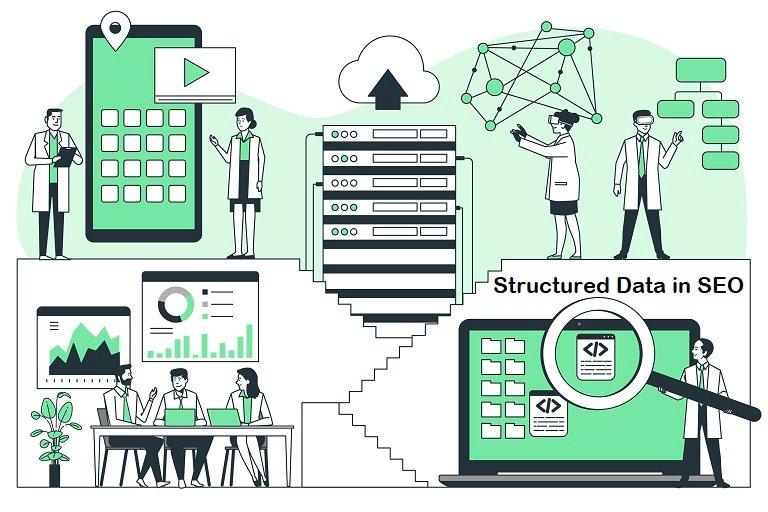
Structured data helps search engines understand website content more effectively.
Schema markup improves search visibility by enabling:
- rich snippets
- FAQ results
- star ratings
- event listings
- recipe previews
- product details
Common Schema Types
- article schema
- FAQ schema
- local business schema
- product schema
- organization schema
Schema markup strengthens technical SEO optimization and AI search visibility.
8. Optimize Internal Linking Structure
Internal linking helps distribute authority throughout your website.
Strong internal links improve:
- crawling
- indexing
- user navigation
- page authority
- session duration
Internal Linking Tips
- link related pages
- use descriptive anchor text
- avoid excessive links
- connect blog posts strategically
- maintain logical hierarchy
Internal linking is an essential SEO optimization technique.
9. Fix Broken Links and Redirect Errors
Broken links create poor user experience and waste crawl budget.
Common Issues
- 404 errors
- redirect chains
- redirect loops
- deleted pages
Solutions
- regularly audit links
- use 301 redirects
- update outdated URLs
- remove broken internal links
A clean technical structure supports technical SEO for websites.
10. Optimize XML Sitemap and Robots.txt
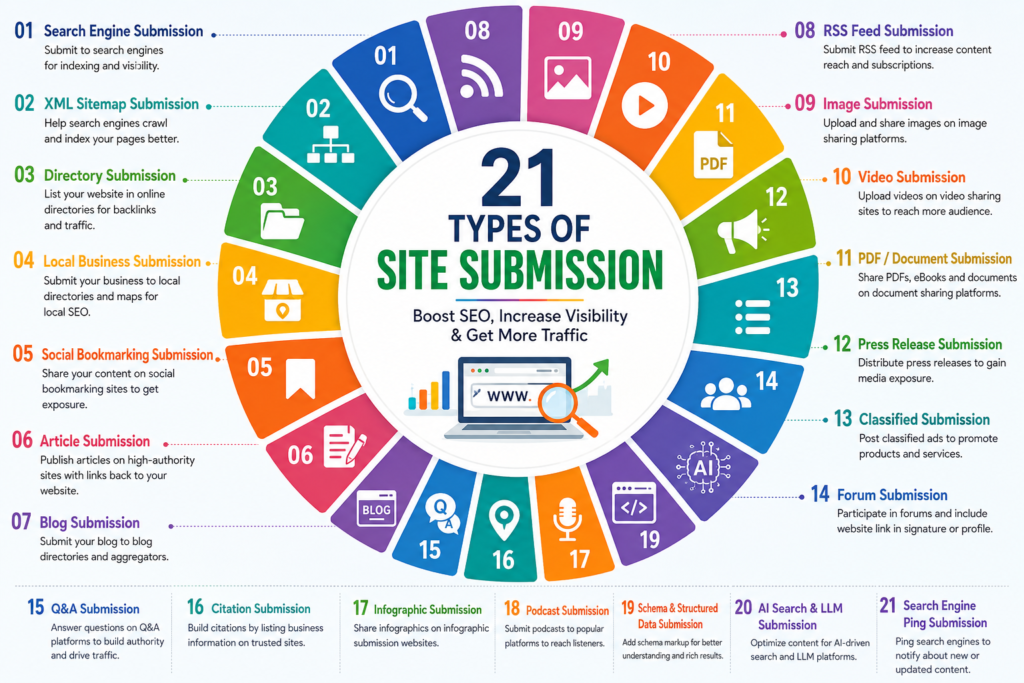
An XML sitemap helps search engines discover important pages.
The robots.txt file guides search engine bots on which pages to crawl.
XML Sitemap Best Practices
- include important pages only
- update automatically
- remove duplicate URLs
- submit to search engines
Robots.txt Best Practices
- avoid blocking important pages
- test robots.txt regularly
- prevent indexing of unnecessary sections
Technical SEO optimization relies heavily on proper crawl management.
11. Eliminate Duplicate Content Issues
Duplicate content confuses search engines and weakens rankings.
Common Causes
- duplicate blog categories
- printer-friendly pages
- HTTP and HTTPS duplication
- URL parameters
- copied content
Solutions
- use canonical tags
- redirect duplicate pages
- maintain clean URL structures
- publish original content
Unique content combined with strong technical SEO optimization improves authority
12. Optimize Images for SEO
Images improve engagement but can slow websites if not optimized.
Image SEO Best Practices
- compress large files
- use descriptive filenames
- add keyword-rich alt text
- use WebP formats
- enable lazy loading
Image optimization improves blog SEO optimization and page speed.
13. Improve Website Architecture
Website architecture refers to how pages are organized and connected.
A strong structure helps users and search engines navigate efficiently.
Best Website Structure
Home Page → Category Pages → Service Pages → Blog Pages → Contact Page
Benefits
- easier crawling
- better indexing
- improved authority flow
- stronger user experience
Technical SEO optimization works better with clear architecture.
14. Perform Regular Technical SEO Audits
A website technical SEO audit identifies problems affecting rankings and performance.
What to Check
- broken links
- crawl errors
- indexing problems
- page speed
- mobile usability
- duplicate content
- schema issues
- redirect problems
Recommended SEO Tools
- Google Search Console
- Google PageSpeed Insights
- Screaming Frog
- Ahrefs
- SEMrush
Regular audits help maintain long-term SEO performance.
15. Optimize for AI Search and Future SEO Trends
Search engines now use artificial intelligence to understand search intent and user behavior.
Technical SEO optimization should support:
- conversational search
- AI-generated search summaries
- voice search
- semantic SEO
- entity optimization
- structured data visibility
Future-Focused SEO Tips
- write clear content structure
- optimize FAQs
- use schema markup
- improve page experience
- focus on search intent
Websites prepared for AI-driven search will gain stronger long-term visibility.
Best Technical SEO Tools in 2026Google Search Console
Helps monitor indexing and performance.
Google PageSpeed Insights
Analyzes website speed and Core Web Vitals.
Screaming Frog
Performs advanced technical audits.
Ahrefs
Analyzes backlinks and technical SEO issues.
SEMrush
Tracks rankings and website health.
Yoast SEO
Improves WordPress SEO optimization.
Common Technical SEO Mistakes to Avoid
Many website owners unknowingly damage rankings through technical mistakes.
Avoid These Errors
- slow hosting
- poor mobile optimization
- missing meta tags
- broken internal links
- duplicate content
- large image files
- weak website structure
- blocked pages in robots.txt
- missing schema markup
Avoiding these issues improves technical SEO optimization and user experience.
Technical SEO Checklist for Websites and Blogs
Technical SEO Optimization Checklist
Website Performance
- improve page speed
- optimize images
- enable caching
- minimize code
Crawling and Indexing
- create XML sitemap
- submit sitemap
- fix crawl errors
- optimize robots.txt
Mobile SEO
- responsive design
- mobile-friendly navigation
- optimize loading speed
Security
- install SSL certificate
- use HTTPS
Structured Data
- implement schema markup
- optimize FAQ schema
Internal SEO
- optimize internal links
- improve URL structure
- fix duplicate content
Following this checklist strengthens technical SEO for websites and blogs.
Final Thoughts
Technical SEO optimization is no longer optional in 2026. It is the foundation that supports rankings, indexing, user experience, and long-term website growth.
A technically optimized website helps search engines crawl pages efficiently, improves loading speed, supports mobile usability, and increases search visibility.
Whether you manage a startup website, personal blog, local business site, or eCommerce platform, investing in technical SEO optimization can significantly improve online performance.
Start with the basics:
- improve website speed
- optimize mobile usability
- fix crawl errors
- implement schema markup
- improve internal linking
- monitor indexing
Over time, these SEO optimization techniques build stronger authority, better rankings, and consistent organic traffic.
Frequently Asked Questions
Frequently Asked Questions
What is technical SEO optimization?
Technical SEO optimization involves improving the technical structure of a website
to help search engines crawl, index, and rank pages effectively.
Why is technical SEO important?
Technical SEO improves website speed, mobile usability, crawlability,
indexing, and overall user experience, which helps improve rankings.
How often should I perform a technical SEO audit?
Most websites should perform technical SEO audits monthly and complete
a detailed audit every quarter.
Does technical SEO help rankings?
Yes. Technical SEO improves website performance, crawlability,
user experience, and search visibility, which can improve rankings significantly.
What are the most important technical SEO factors in 2026?
Core Web Vitals, mobile optimization, structured data, website speed,
internal linking, and semantic SEO are among the most important factors.
What is technical SEO optimization?
Technical SEO optimization involves improving the technical structure of a website to help search engines crawl, index, and rank pages effectively.
Why is technical SEO important?
Technical SEO improves website speed, mobile usability, crawlability, indexing, and overall user experience, which helps improve rankings.
How often should I perform a technical SEO audit?
Most websites should perform technical SEO audits monthly and complete a detailed audit every quarter.
Does technical SEO help rankings?
Yes. Technical SEO improves website performance, crawlability, user experience, and search visibility, which can improve rankings significantly.
What are the most important technical SEO factors in 2026?
Core Web Vitals, mobile optimization, structured data, website speed, internal linking, and semantic SEO are among the most important factors.