
Introduction: Natural Treatment for Vocal Cord—Holistic Healing Guide
Our neck, throat, and vocal cords are delicate structures that play a vital role in speaking, singing, and breathing. When strained, inflamed, or stressed, issues like hoarseness, throat discomfort, neck tightness, or vocal fatigue can occur. While medical attention is essential in serious cases, many mild problems respond very well to natural, non-invasive approaches and thus natural treatment for vocal cord can be done easily at home.
In this article, we explore safe, effective, home-based strategies to support neck health and vocal cord recovery—from hydration and herbal remedies to gentle exercises and lifestyle tweaks. (Note: these are complementary methods and not replacements for professional diagnosis or treatment when needed.)
Outline / What we’ll cover
- Understanding neck & vocal cord issues
- Natural remedies & home care
- Neck & vocal exercises
- Preventive habits & vocal hygiene
- When to seek medical help
Let’s dive in.
Natural Treatment For Vocal Cord Remedies & Neck Relief
- Hydration & Herbal Teas
Hydration is foundational to natural vocal cord care. Adequate water intake keeps the vocal folds supple and less prone to strain.
Understanding Neck and Vocal Cord Problems
Anatomy & Common Causes
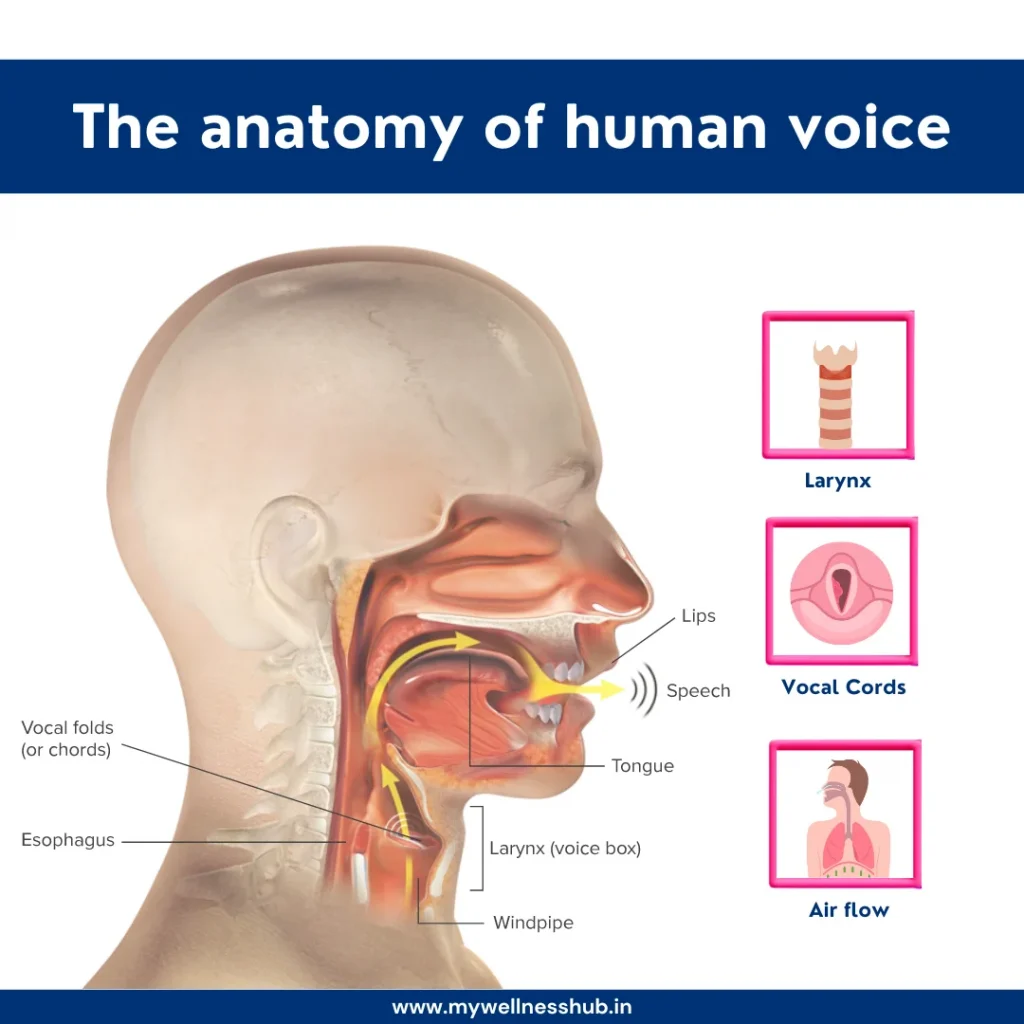
- The vocal cords (vocal folds) are two bands of tissue inside your larynx that vibrate to produce sound. UT Southwestern Medical +1
- The neck houses muscles, vertebrae, nerves, and connective tissue that support the throat and vocal mechanism.
- Common stressors: overuse (speaking, singing, screaming), dry air, acid reflux, allergies, poor posture, muscle tension, dehydration, and irritants (smoke, pollutants).
Typical Symptoms
- Hoarseness or raspy voice
- Throat soreness or scratchiness
- Sensation of lump in throat
- Neck stiffness or tightness
- Vocal fatigue (voice tires quickly)
- Difficulty projecting voice
.
When It’s More Than “Just a Throat”
- Symptoms lasting more than 2–3 weeks
- Painful swallowing or throat pain
- Blood in sputum
- Loss of voice with airway symptoms
- In these cases, see an ENT specialist.
Proven Natural treatment for vocal cord
Voice Rest & Vocal Hygiene
- Rest your voice as much as possible. Avoid whispering, shouting, and prolonged speaking.
- Use amplification (microphone) if you have to speak in noisy settings.
- Avoid throat clearing and aggressive coughing prevent vocal healing
- Warm up your voice gently (humming, lip trills) before extended use as therapy exercise for vocal cord
Hydration & Air Humidification
- Drink plenty of water; stay well hydrated
- Use a cool-mist humidifier (or steam inhalation) to keep airways moist.
- Clean humidifiers regularly to avoid mold or bacteria.
Affiliate recommendation:
Mypurmist Free Cordless Steam Inhaler—This device delivers ultrapure warm steam, aiding hydration and soothing irritated vocal cords. Use while resting to support natural treatment for vocal cord recovery.
Vicks Personal Sinus Steam Inhaler—A tried-and-tested inhaler that provides targeted steam for throat relief and hydration.
According to voice-health reviews, maintaining humidity around your vocal cords helps reduce strain and supports healing
Tip: Sip warm herbal tea (not too hot) throughout the day, especially before and after speaking or singing.
Gargles & Herbal Remedies for throat
- Warm salt water gargle (½ tsp salt in ~250 mL warm water) several times daily.
- Herbal gargles/teas: Sage, slippery elm, licorice, turmeric, and chamomile are known to soothe throat irritation.
- Avoid irritants: limit caffeine, alcohol, spicy/acidic foods (especially if reflux is a factor)
Anti-Inflammatory & Soothing Approaches for vocal cord healing
- Ginger, turmeric, honey (in warm teas) may provide mild anti-inflammatory or soothing effects.
- Inhaling steam or essential oils (e.g., eucalyptus)—use with caution and avoid if sensitive. Verywell Health+1
- Gentle massage or warm compress to neck muscles to ease tension.
- Herbal Lozenges: Natural lozenges containing licorice, slippery elm, or echinacea can soothe the throat
Address Underlying Factors
- Manage acid reflux (GERD): avoid triggers (spicy food, late meals), raise the head of the bed, and eat small frequent meals.
- Treat allergies / nasal drip: reduce postnasal drip that irritates the throat / eliminate head
- Quit smoking/eliminate pollutants: smoke irritates vocal tissues. Cleveland Clinic + Mayo
Neck & therapy exercise for Vocal Cord
Gentle Neck Stretching & Relaxation
- Chin tuck: gently lower chin toward chest, hold a few seconds.
- Side tilt / lateral flexion: tilt head to each side, stretch the lateral muscles.
- —Avoid throat/eliminate overextension. —Avoid neck rotations (slow, gentle)—avoid overextension. overextension.
- —release—avoid overextension. Shoulder rolls / scapular retraction—release upper back tension
Do these 1–2 times a day, carefully and pain-free.
Vocal Warm-ups & Voice-Friendly Exercises
Daily Voice-Friendly Habits ( Natural treatment for vocal cord)
- Hydrate throughout the day (not just when irritated).
- Take vocal naps: short breaks during prolonged speaking.
- Warm up before singing or public speaking.
- /amplification—release/amplification Use a microphone/amplification in large or noisy settings.
- Avoid talking over noise or shouting.
- Good posture: keep neck aligned, avoid slouching.
- Avoid whispering (which strains more than soft speaking).
Vocal Warm-up & Straw Phonation ( Natural treatment for vocal cord)
Warm-ups help prepare the vocal cords for use and minimize strain.
Techniques to try:
- /tongueLip/: Tongue: Tongue trills: Gentle, dynamic warm-up.
- Humming: Glide up and down in pitch.
- Yawn-sigh: Yawn, then exhale in a soft sigh to relax the throat.
- Straw Phonation: This is a powerful method. Phonating through a straw adds slight resistance, which balances pressure on the vocal folds and improves closure
Affiliate-recommended tool:
- —Vocal—AVocal Tubes for Speech & Singing Therapy — A set of silicone tubes (straws) designed for therapeutic voice practice.
- —Alternative Posture and Blue Silicone Vocal Tubes (Set of 2)—Alternative silicone straw tubes that are flexible, durable, and easy to clean.
These tools make straw phonation more effective and accessible, especially for regular voice training.
Lifestyle & Diet Considerations ( Natural treatment for vocal cord)
Preventing further vocal or neck strain is as crucial as healing. Consider these long-term habits:
- Avoid irritants: Smoking, alcohol, and excess caffeine can dry and inflame tissues.
- Practice ergonomic posture: Maintain good desk posture, and reduce forward-head posture.
- Implement “vocal naps”: Take short voice-rest breaks during long speaking/singing sessions.
- Warm up before use: Never sing, speak publicly, or record without warming your voice.
- Manage reflux and allergies: These can irritate the throat and vocal cords.
When to Seek Professional Help for vocal cord healing
- Symptoms persist over 2–3 weeks despite home care
- Significant pain, difficulty swallowing, breathing issues
- Blood in sputum, unexplained weight loss
- Persistent hoarseness in a heavy voice user (singer, teacher)
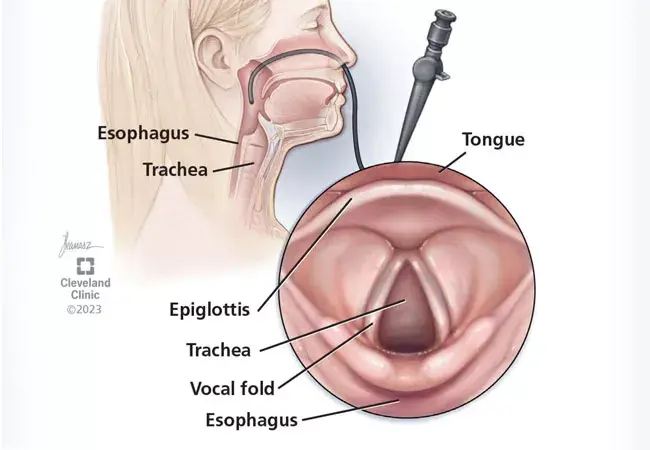
An ENT (ear, nose & throat specialist) can evaluate via laryngoscopy, and speech therapy may help retrain the voice.
Conclusion
Natural treatment Vocal cord care involves a combination of hydration, herbal remedies, posture correction, vocal warm-ups, and safe supportive tools. By integrating these strategies into your daily routine and using the affiliate-recommended products, you can support vocal cord healing, reduce neck tension, and prevent future strain—all naturally.
If symptoms like hoarseness or neck pain persist or worsen, it’s wise to consult an ENT or a voice therapist for a tailored assessment.