
In today’s digital landscape, websites are no longer visited only by human users and traditional search engines. Artificial intelligence platforms, AI crawlers, machine learning bots, and automated indexing systems are now scanning websites daily. Because of this shift, understanding robots.txt and llms.txt files has become essential for bloggers, startups, businesses, and digital marketers.
If you own a blog or business website, these files help you control how your content is discovered, indexed, and interpreted by both search engines and AI systems.
Many website owners focus heavily on content writing and backlinks but ignore technical SEO foundations like robots.txt and llms.txt. However, even excellent content may struggle to rank or appear in AI-generated answers if these files are not configured properly.
This guide explains everything in simple language so beginners and professionals can implement these files correctly for better SEO performance and future-ready AI visibility.
What Is Robots.txt?
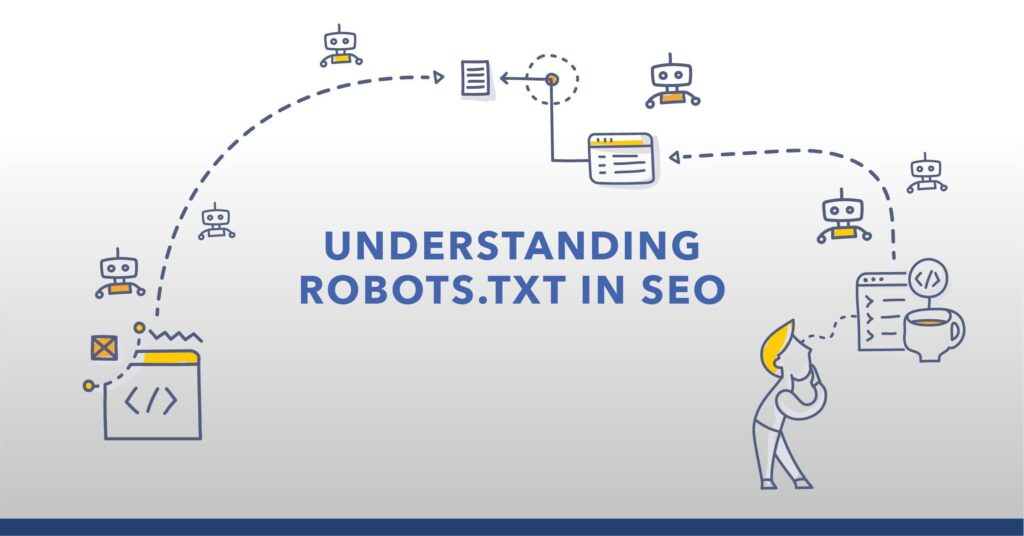
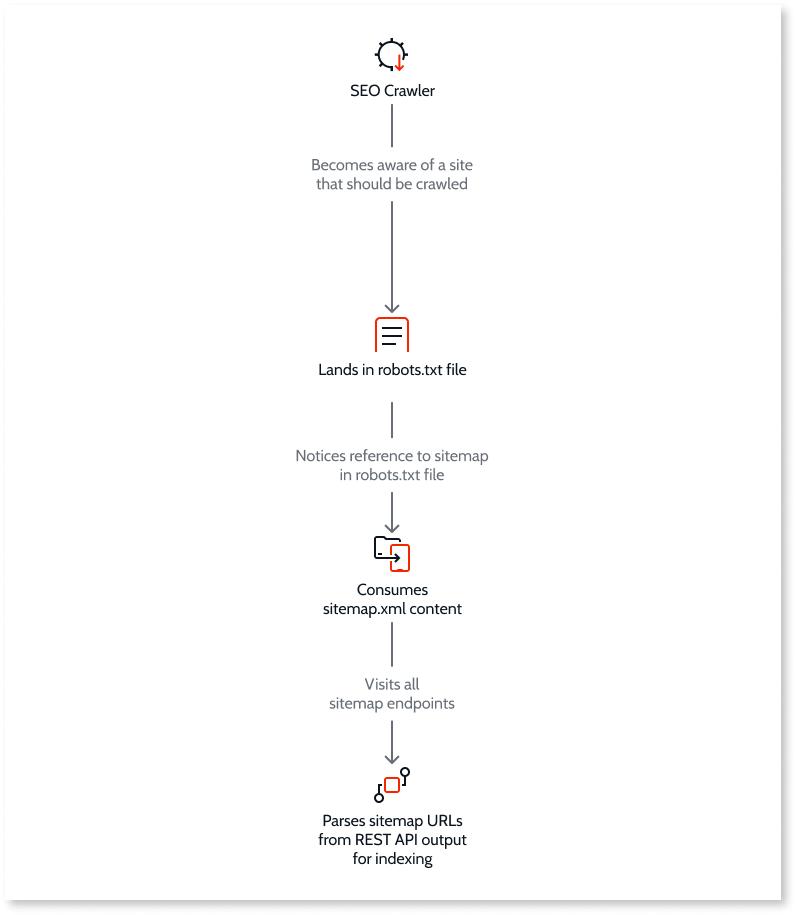
The robots.txt file is a small text file placed in the root directory of your website. It gives instructions to search engine crawlers about which pages or folders they can access and which they should avoid.
It acts like a traffic controller for bots visiting your website.
For example:User-agent: *
Disallow: /wp-admin/
Allow: /wp-admin/admin-ajax.php
Sitemap: https://yourwebsite.com/sitemap.xml
This tells search engines:
- Do not crawl the admin area
- Allow specific admin functions
- Access the sitemap for indexing
Why Robots.txt Is Important for SEO
A properly optimized robots.txt file helps improve:
1. Website Crawling Efficiency
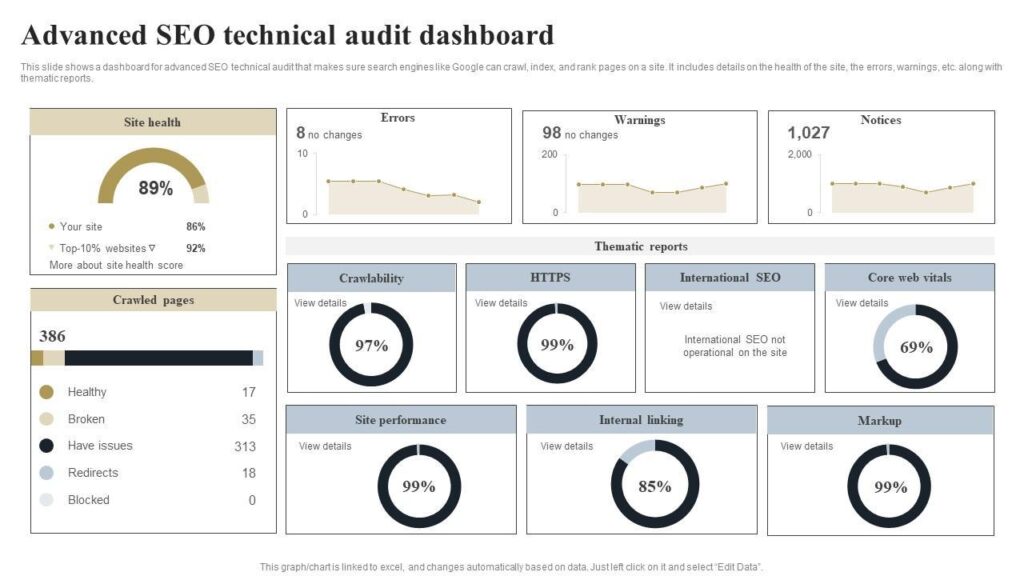
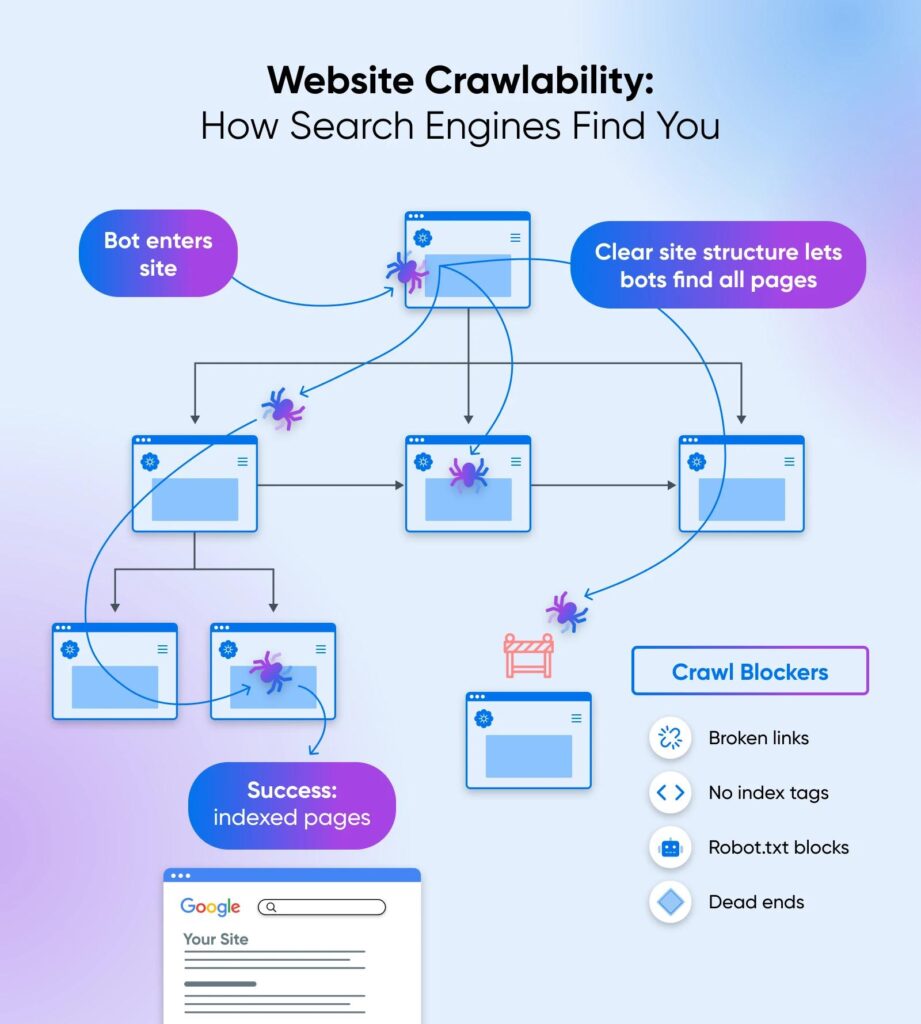
Search engines allocate a crawl budget to websites. If bots waste time crawling unnecessary pages, important pages may get ignored.
Using robots.txt helps prioritize valuable content.
2. Faster Indexing
By blocking duplicate or low-value sections, search engines focus on important pages like:
- Blog posts
- Product pages
- Service pages
- Landing pages
This improves website crawling and indexing efficiency.
3. Better Technical SEO
Robots.txt strengthens technical SEO for blogs by:
- Reducing duplicate content
- Preventing crawl errors
- Managing crawl paths
- Supporting sitemap discovery
4. Common Mistakes in Robots.txt
Many websites accidentally block important content.
Mistake 1: Blocking Entire Website
User-agent: *
Disallow: /
This prevents all indexing.
Mistake 2: Blocking CSS and JavaScript
Search engines need CSS and JS files to understand page layout and mobile responsiveness.
Mistake 3: Missing Sitemap
Always include your sitemap URL.
Example:
Sitemap: https://yourdomain.com/sitemap.xml
What Is LLMs.txt?
The llms.txt file is a newer concept designed for AI systems and large language models.
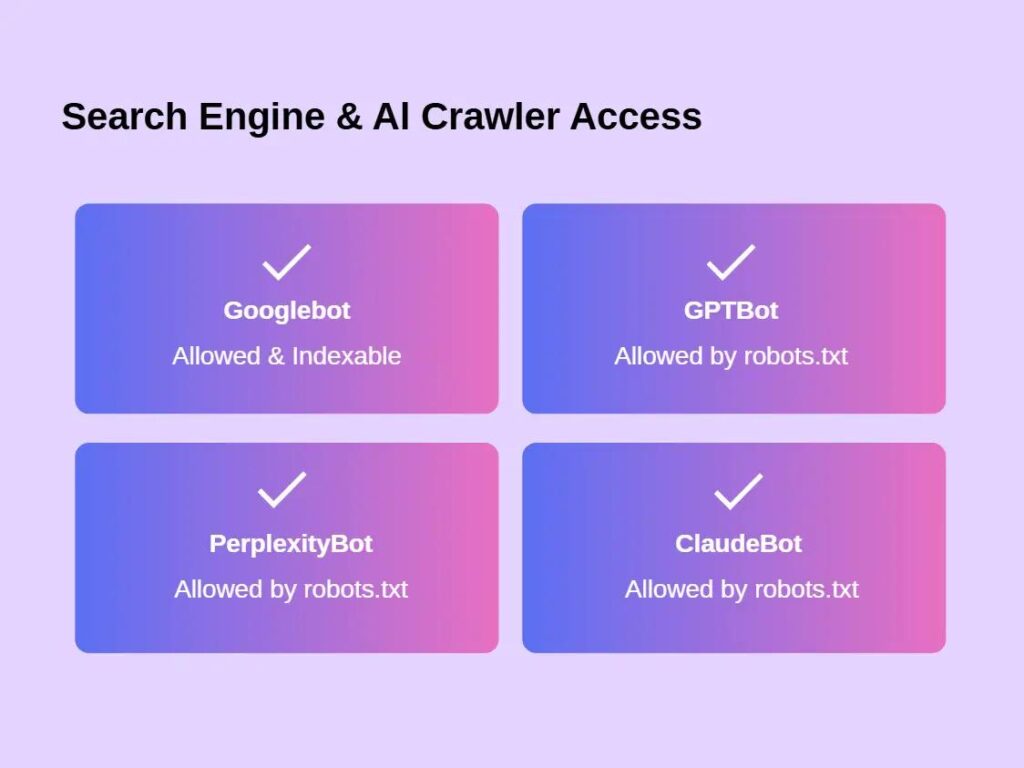
While robots.txt communicates with traditional search engine crawlers, llms.txt helps websites guide AI tools on how content can be used, summarized, cited, or accessed.
As AI search engines and chatbot systems grow rapidly, llms.txt is becoming increasingly important for website owners.
Why LLMs.txt Matters in 2026
AI systems such as content summarizers, AI assistants, and answer engines now collect information directly from websites.
Without proper AI guidance, your content may:
- Be misunderstood
- Lose attribution
- Appear inaccurately summarized
- Miss AI visibility opportunities
This is why llms.txt for AI search is gaining attention among SEO professionals.
Example of a Basic LLMs.txt File
User-Agent: GPTBot
Allow: /
User-Agent: ClaudeBot
Allow: /
User-Agent: Google-Extended
Allow: /
Policy: Attribution Required
Content-Usage: Training Allowed
This tells AI crawlers:
- They may access content
- Attribution is expected
- AI training permissions are defined
Robots.txt vs LLMs.txt
| Feature | Robots.txt | LLMs.txt |
|---|---|---|
| Purpose | Controls search engine crawling | Guides AI systems |
| Used By | Googlebot, Bingbot | GPTBot, ClaudeBot |
| Focus | SEO indexing | AI content usage |
| Main Benefit | Better crawling | Better AI visibility |
| Important For | Search rankings | AI search exposure |
Both files are now essential parts of modern technical SEO.
5. How AI Search Is Changing Website SEO
Traditional SEO focused mainly on ranking in search engines. Today, AI-generated answers are changing how users discover information.
People increasingly ask AI assistants instead of typing keywords into search engines.
This means websites must optimize for:
- Search engines
- AI answer engines
- Conversational discovery
- Semantic indexing
Using robots.txt and llms.txt together improves visibility across both ecosystems.
6. Best Practices for Robots.txt SEO Optimization
Keep the File Simple
Avoid unnecessary complexity.
Allow Important Content
Never block:
- Blog posts
- Product pages
- Images
- CSS files
unless intentionally required.
Add Sitemap Location
Always include sitemap URL.
Use Proper Syntax
Even small formatting mistakes can cause crawling problems.
Test Regularly
Use Google Search Console robots testing tools.
7. Best Practices for LLMs.txt for AI Search
Define AI Permissions Clearly
Specify whether AI systems can:
- Crawl
- Summarize
- Train on content
- Cite content
Encourage Attribution
Ask AI systems to reference your brand or website.
Protect Sensitive Areas
Block private or restricted content.
Keep It Updated
AI ecosystems evolve quickly. Review policies regularly.
8. How Bloggers Benefit from Robots.txt and Llms.txt Files
Bloggers often spend hours writing SEO content but overlook backend optimization.
Proper Robots.txt and Llms.txt SEO optimization helps blogs:
- Get indexed faster
- Avoid duplicate content
- Improve crawl efficiency
- Strengthen technical SEO
Meanwhile, llms.txt helps blogs gain exposure in:
- AI-generated summaries
- Conversational search
- Chat-based recommendations
This creates additional traffic opportunities beyond traditional Google rankings.
9. How Businesses Benefit from AI Visibility
Businesses using llms.txt can improve:
Brand Discoverability
AI assistants may reference your services more accurately.
Content Attribution
Your brand name remains connected to your expertise.
Competitive Advantage
Many websites still ignore AI optimization.
Early adoption improves long-term positioning.
10. Recommended Robots.txt Structure for WordPress
User-agent: *
Disallow: /wp-admin/
Allow: /wp-admin/admin-ajax.php
Sitemap: https://yourdomain.com/sitemap.xml
This setup works well for most blogs and business websites.
Recommended LLMs.txt Structure
User-Agent: GPTBot
Allow: /
User-Agent: ClaudeBot
Allow: /
User-Agent: Google-Extended
Allow: /
Policy: Attribution Preferred
Content-Usage: Allowed
You can customize permissions based on your content strategy.
11. Where to Place Robots.txt and Llms.txt Files
Both files should be placed in your website root directory.
Example:
https://yourwebsite.com/robots.txthttps://yourwebsite.com/llms.txt
12. Tools to Generate Robots.txt
Recommended Tools
Tools to Learn About AI Crawlers
OpenAI GPTBot Information
Anthropic ClaudeBot Policy
Google Extended Documentation
13.Future of SEO and AI Optimization
The future of digital marketing is moving toward AI-assisted discovery. Search engines and AI systems are becoming interconnected.
Websites that combine:
- high-quality content,
- semantic SEO,
- structured data,
- robots.txt SEO optimization,
- and llms.txt for AI search
will likely perform better in coming years.
Businesses that ignore AI visibility may lose valuable traffic opportunities as user behavior shifts toward conversational search experiences.
14. Frequently Asked Questions
Does robots.txt improve SEO?
Yes. robots.txt helps search engines crawl important pages efficiently and prevents unnecessary crawling of low-value sections.
Is llms.txt officially supported?
llms.txt is still evolving, but many SEO professionals and AI-focused websites are already adopting similar AI crawler guidance practices.
Where should I upload robots.txt?
Upload it to your website root directory:
yourwebsite.com/robots.txt
Can I block AI bots from my website?
Yes. You can define permissions for AI crawlers using llms.txt or crawler-specific directives.
Final Thoughts
Understanding robots.txt and llms.txt is no longer optional for serious website owners. These files help websites communicate effectively with both traditional search engines and modern AI systems.
Robots.txt improves website crawling and indexing, while llms.txt supports AI visibility for websites and protects content usage preferences.
Together, they create a stronger technical SEO foundation for blogs, startups, and business websites in 2026 and beyond.
For digital marketers, adopting these practices early provides a meaningful competitive advantage in an AI-driven internet ecosystem.
Websites that adapt early to AI-driven SEO will gain a significant advantage in search visibility, brand authority, and future organic traffic. Implementing robots.txt and llms.txt correctly today prepares your website for the next generation of search and AI discovery.