
In today’s competitive digital environment, simply writing quality content is not enough. Search engines need help understanding your website content clearly and accurately. This is where schema markup SEO becomes one of the most valuable technical SEO tools for blogs and business websites.
Schema Markup for Blogs and Websites
Structured data for websites is a type of structured data added to your website code that helps search engines understand the meaning behind your content. It improves how your pages appear in search results by enabling rich snippets, FAQs, ratings, breadcrumbs, and more.
Whether you run a startup website, personal blog, eCommerce store, or digital marketing agency, implementing schema markup strategies can significantly improve online visibility and click-through rates.
What Is Schema Markup?
Structured data for websites is structured data vocabulary created collaboratively by major search engines including Google, Microsoft, and Yahoo through Schema.org.
It helps search engines identify:
- What your content is about
- Who created it
- When it was published
- Product details
- Reviews and ratings
- Business information
- FAQs and tutorials
Instead of guessing the context of your content, search engines receive clear signals through structured data for websites.

Why structured data for websites Matters for SEO
Many website owners focus only on keywords and backlinks, but technical optimization is equally important. Structured data for websites enhances communication between your website and search engines.
Major Benefits of Schema Markup SEO
1. Improves Search Appearance
Structured data can generate website rich snippets that make your listing visually attractive in search results
Examples include:
- Star ratings
- FAQ dropdowns
- Recipe information
- Event dates
- Product pricing
These elements improve visibility and attract more clicks.
2. Enhances Click-Through Rate (CTR)
Even if your ranking position stays the same, rich snippets can increase user attention and improve CTR because your search result stands out from competitors.
3. Helps Search Engines Understand Content
Using structured data for websites helps search engines categorize your pages correctly. This improves indexing efficiency and content relevance.
4. Supports Voice Search Optimization
Voice assistants rely heavily on structured data. Structured data for websites increases the chances of your content appearing in voice search results.
5. Strengthens Technical SEO
Structured data for websites is an important component of advanced technical SEO strategies. It complements:
- XML sitemaps
- robots.txt
- page speed optimization
- mobile responsiveness
- indexing optimization
Types of Technical SEO Schema for Blogs and Websites

Different websites require different schema types.
Article Schema
Ideal for blogs, news websites, and educational content.
It includes:
- Headline
- Author
- Publish date
- Featured image
- Description
This helps search engines identify blog content properly.
FAQ Schema
FAQ schema displays expandable questions directly in search results.
Benefits:
- Occupies more search space
- Improves visibility
- Increases organic clicks
This is especially useful for service pages and informational blogs.

Organization Schema
Useful for businesses and agencies.
It includes:
- Company name
- Logo
- Contact details
- Social profiles
- Address
Organization schema improves brand trust in search engines.
Breadcrumb Schema
Breadcrumb schema helps users understand website structure and navigation hierarchy.
Example:
Home > Blog > SEO > Schema Markup
This improves user experience and crawl efficiency.
Product Schema
Essential for eCommerce websites.
Includes:
- Price
- Stock status
- Ratings
- Reviews
This improves product visibility in search results.
How structured data for websites works
Structured data for websites is commonly added using JSON-LD format, recommended by Google.
A simple schema code example:
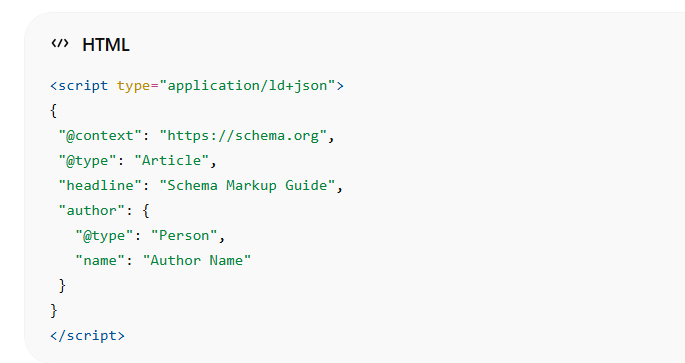
This code helps search engines understand that the content is an article written by a specific author.
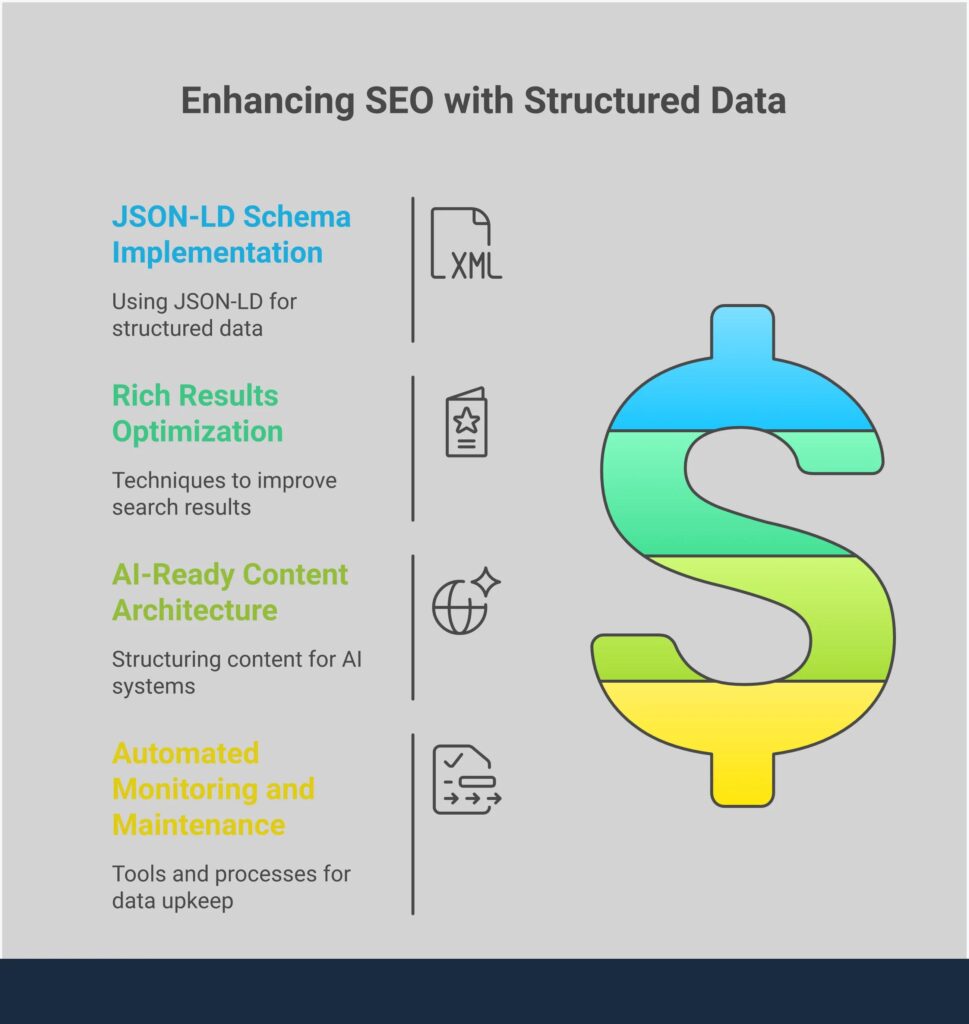
Best Practices for Website Rich Snippets
Use Accurate Information
Never add misleading structured data. Search engines may penalize spammy schema implementation.
Match Visible Content
Schema information should reflect what users actually see on the webpage.
Use Google Rich Results Test
Test schema implementation using:
https://search.google.com/test/rich-results?
This tool identifies errors and validates structured data.
Validate Through Schema.org
You can explore schema types here:
https://schema.org/
Keep Schema Updated
Update schema whenever:
- content changes
- product pricing changes
- blog updates occur
- business details change
Common Website Rich Snippets Mistakes
Using Wrong Schema Type
Using irrelevant schema can confuse search engines.
Duplicate Structured Data
Avoid adding multiple conflicting schema codes on the same page.
Ignoring Validation Errors
Small syntax errors can prevent schema from working properly.
Overusing FAQ Schema
Google limits excessive FAQ visibility. Use FAQs naturally.
Best Plugins for technical SEO schema in WordPress
If your website runs on WordPress, these plugins simplify implementation:
Recommended Plugins
1. Rank Math SEO
Excellent for beginners and advanced users.
2. Yoast SEO
Widely used SEO plugin with schema integration.
https://yoast.com/wordpress/plugins/seo
3. Schema Pro
Advanced structured data plugin.
How Website Rich Snippets Helps Blogs Grow Faster
For bloggers and content creators, schema markup offers long-term SEO benefits:
- Better indexing
- Improved keyword relevance
- Enhanced user engagement
- More organic traffic
- Higher search visibility
- Better mobile search presentation
When combined with quality content and semantic SEO, technical SEO schema becomes a powerful growth strategy.
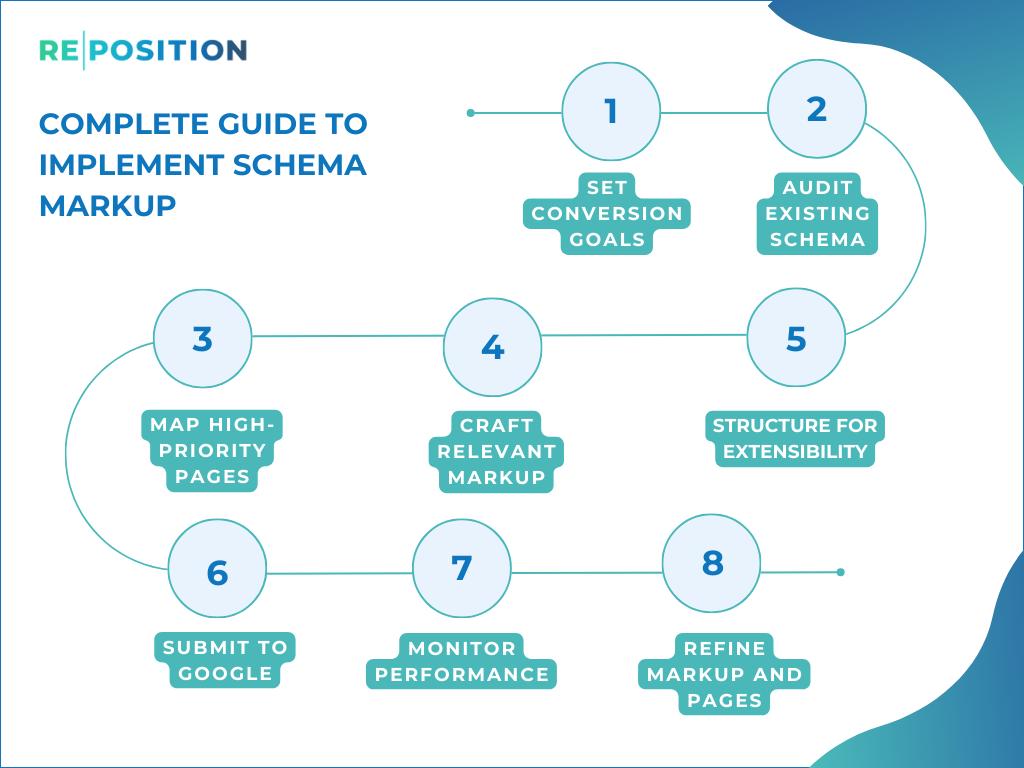
Future of Website Rich Snippets
Search engines are increasingly using AI and semantic understanding to rank websites. Structured data helps machines understand content relationships more efficiently.
- voice search
- AI search summaries
- visual search
- smart assistants
- semantic indexing
As AI-driven search evolves, technical SEO schema implementation will become even more important for:
Businesses that implement schema early gain a strong competitive advantage.
Final Thoughts
Technical SEO schema, is no longer optional for serious website owners. It improves communication between your content and search engines while enhancing visibility through website rich snippets and structured search results.
Whether you manage a startup blog, business website, or digital marketing platform, investing time in schema markup SEO can improve rankings, user trust, and organic traffic over time.
The best approach is to combine:
- high-quality content
- semantic SEO
- technical optimization
- structured data implementation
This creates a strong foundation for sustainable online growth.